
Botox Around Eyes: Crow's Feet, Frown Lines & Under-Eye Wrinkles
Botox around the eyes is one of the most effective ways to smooth dynamic wrinkles and refresh your face without looking frozen. Whether you're bothered by crow's feet when you smile, frown lines between your brows, or fine creases under your eyes, Botox can target these specific concerns by relaxing the muscles that create them in the first place.
The key to natural-looking results is understanding what Botox actually does, which areas respond best, and how it fits into a bigger picture of balanced facial rejuvenation. Let me walk you through it.
How Botox Works Around the Eyes
Botox works by relaxing the muscles underneath your skin that contract every time you move your face. When you squint, smile, frown or concentrate, those facial muscles fire up and create expression lines. Over time, especially if you have expressive facial features or spend a lot of time squinting in the sun, those lines get deeper and start to stay put even when your face is at rest.
The goal isn't to paralyze your face or erase your expressions. It's to soften the *pull* of overactive muscles so your skin sits smoother and those wrinkles don't deepen further. You'll still be able to move your face and show emotion. You'll just look more refreshed while doing it.
Crow's Feet: The Classic Eye Area Treatment
Crow's feet are those fine lines that fan out from the outer corners of your eyes, especially when you smile or squint. They're caused by the orbicularis oculi muscle, which wraps around your eye and contracts every single time you use your eyes (so basically all day long).
Botox in this area is straightforward. Small, precise doses relax this muscle just enough to smooth those radiating lines while keeping your natural smile intact. Most people see softening within a few days and fuller results within about two weeks.
The beauty of treating crow's feet is that the results are almost always natural-looking when done right. Your eyes still crinkle when you smile, but the lines are softer and less etched-in. If you're worried about looking "done," crow's feet treatment is one of the safest bets for a refreshed appearance.
The 11s and Frown Lines Between Your Brows
Those vertical lines between your eyebrows (sometimes called the "11s" because they literally look like the number 11) are caused by the corrugator and procerus muscles, which pull your brows down and inward when you frown, concentrate or worry.
Related: Glabella Botox: How It Smooths Frown Lines Between Your Brows
Botox smooths these lines by gently releasing that downward pull. This is where a skilled injector really matters. The goal is to soften the lines without making your brows look surprised or your forehead look completely flat. Done well, your forehead should look naturally smooth, and your brows should sit in a relaxed, balanced position.
I think of it as release the downward pull, create balance and lift, then reassess. That's the foundation of how Beauty Spot Med Spa approaches facial rejuvenation: we're not just chasing individual wrinkles. We're reading your whole face and neck as one interconnected muscular system.
Under-Eye Botox: The Fine Print

This is where things get a little more nuanced. Botox under the eyes can work, but it's not a standard procedure and it requires very specific conditions to be successful.
The lower eyelid area has delicate skin and complex anatomy. Very small doses of Botox can help smooth fine crinkles and creases under the eyes, especially dynamic wrinkles that appear when you smile. But this works best for patients who have suitable anatomy and the right type of wrinkles.
Related: Botox for Crow's Feet: How It Works & What to Expect
Related: Botox for Frown Lines: How It Works & What to Expect
The catch: Botox can't fix volume loss under the eyes or dark circles. If your under-eye area looks tired because of hollowing or shadowing, Botox alone won't solve it. You might need a different approach, like strategic skincare, PDO threads to gently lift and volumize, or other modalities depending on what's actually going on.
This is why the consultation matters so much. A good injector will look at your whole eye area and figure out what's actually creating the appearance you want to change.
What Botox Around the Eyes Can't Do
Let's be clear about the limits, because this matters.
Botox doesn't restore lost volume. If your under-eye area looks hollow or your skin has lost elasticity, Botox won't rebuild that. It relaxes muscle, period.
Botox doesn't improve skin quality. If you have enlarged pores, rough texture, hyperpigmentation or dryness around your eyes, Botox won't address those. That's a skincare job. A solid skincare routine can actually complement Botox by keeping your skin barrier healthy and your skin looking its absolute best while the Botox does its thing.
Botox isn't filler. Some people think Botox plumps wrinkles, but it doesn't. It smooths them by preventing the muscle movement that creates them. If you actually need volume, that's a different conversation with a different tool.
The Whole-Face Approach to Eye Area Rejuvenation
Here's something that changed how I think about the eye area: the eyes don't exist in isolation. The forehead, brows, temples, cheeks and jawline all influence how your eyes sit in your face and how rested or tired you look.
Sometimes the best way to refresh tired-looking eyes isn't to inject the eyes directly. It's to lift the brow slightly by relaxing the muscles that are pulling everything down. Or to release tension in the muscles of the jaw and temples, which can make your whole face sit higher and look more lifted.
This is why I always start with a full consultation. I want to understand what's really bothering you, what's realistic to change with Botox, and what might need a different approach. If you're tired of being told you need filler for every concern, Beauty Spot Med Spa offers a completely different philosophy: we read your face as a system and use the least intervention necessary to create the greatest impact.
What to Expect After Botox Around Your Eyes
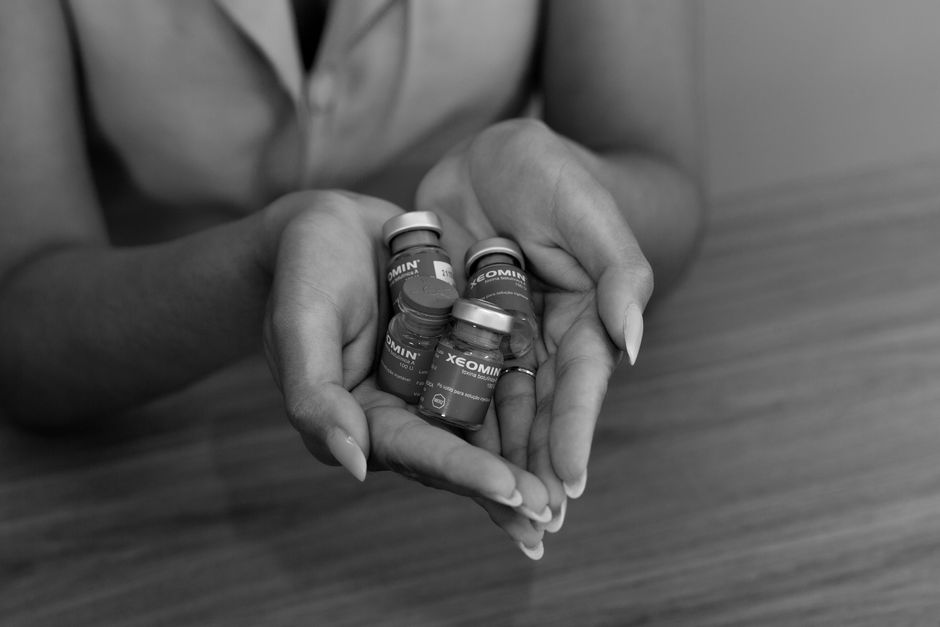
Botox takes time to work. You might notice softening within a few days, but full results usually appear around two weeks. The wrinkles don't disappear overnight, but they gradually become less pronounced as the muscle relaxes.
Results last around three to four months on average, though everyone's metabolism is different. Some people find their results last longer, others find they need a touch-up sooner. That's totally normal and something worth tracking over your first few treatments.
One thing I always tell patients: Botox is preventative too. If you start early, when you have mostly fine lines and minimal creasing, you can keep those lines from deepening in the first place. It's way easier to prevent a deep wrinkle than to soften one that's been etched into your skin for years.
Natural Results and Natural Expression
The difference between a great result and a "done" look comes down to dose, placement and the philosophy of the person injecting. Too much Botox around the eyes and you lose your ability to express emotion. Your eyes can look surprised, sad or just plain frozen.
The goal should always be to look like yourself, just refreshed. Your eyes should still move. Your smile should still involve your whole face. Your forehead should still have some dimension and natural lines when you move it. That takes skill and restraint.
This is why choosing someone with real expertise in facial anatomy and years of experience matters so much. Botox is my specialty, and it's the foundation of how I approach facial aesthetics. But I never reach for it automatically. I think through the whole face, ask good questions, and use it strategically to create balance and natural lift while preserving expression.
Is Botox Around the Eyes Right for You?
Botox around the eyes is a good fit if you:
- Have dynamic wrinkles that appear when you move your face
- Want to soften crow's feet, frown lines or forehead creases
- Prefer subtle, natural-looking results over dramatic change
- Want to prevent lines from deepening further
- Are looking for least-intervention rejuvenation
It's not the right choice if you're hoping to fix volume loss, improve skin texture, or erase deeply etched static wrinkles that are present even when your face is completely at rest (though it can help soften those too, just with more modest results).
The best way to know if Botox is right for your specific eye concerns is to have a real conversation with someone who understands facial anatomy and can look at your whole face, not just the wrinkles. That's what a solid consultation is for.
Beyond Botox: Other Options for Eye Area Rejuvenation
Not everyone wants Botox, and that's completely fine. There's a whole toolkit of other options depending on what you're trying to achieve.
If you want to lift and tighten the eye area without relaxing muscle, PDO threads can gently lift the skin and stimulate collagen production. If your concern is skin quality, texture or fine lines, a targeted skincare routine with ingredients that actually work can make a noticeable difference. Some patients space out or reduce Botox by supporting their skin with excellent skincare.
The key is figuring out what's actually causing your concern and matching that with the right solution. That might be Botox. It might be skincare. It might be a combination. If you want to explore your options with someone who isn't going to automatically recommend injectables, Beauty Spot Med Spa offers a complete natural pathway using PDO threads, specialized needling, professional-grade peels and targeted skincare.
Frequently Asked Questions
Can Botox make you look frozen around the eyes?
Yes, if too much is used or it's placed incorrectly. The goal should always be softening wrinkles while keeping your natural expression intact. Skilled injectors use conservative doses in the right places to preserve the way your eyes move and express emotion. You should still be able to smile, squint and move your forehead naturally.
How long does Botox around the eyes take to work?
You might notice some softening within a few days, but full results typically appear around two weeks. This is why patience matters. Don't judge your results until at least two weeks have passed.
Does Botox around the eyes hurt?
Most people describe the sensation as a small pinch. The needle is very fine and the injections are quick. Some people are more sensitive than others, but it's generally well-tolerated. If you're worried about discomfort, mention it during your consultation.
Can you get Botox around your eyes if you have sensitive skin?
Sensitive skin doesn't necessarily rule out Botox, but it's worth discussing in your consultation. The injection itself is a tiny puncture and the Botox is a purified protein. What matters more is making sure your skin is in good condition before treatment and that you follow proper aftercare. A good skincare routine can support your results and keep your skin barrier healthy.
Common questions
Can Botox make you look frozen around the eyes?
Yes, if too much is used or it's placed incorrectly. The goal should always be softening wrinkles while keeping your natural expression intact. Skilled injectors use conservative doses in the right places to preserve the way your eyes move and express emotion. You should still be able to smile, squint and move your forehead naturally.
How long does Botox around the eyes take to work?
You might notice some softening within a few days, but full results typically appear around two weeks. This is why patience matters. Don't judge your results until at least two weeks have passed.
Does Botox around the eyes hurt?
Most people describe the sensation as a small pinch. The needle is very fine and the injections are quick. Some people are more sensitive than others, but it's generally well-tolerated. If you're worried about discomfort, mention it during your consultation.
Can you get Botox around your eyes if you have sensitive skin?
Sensitive skin doesn't necessarily rule out Botox, but it's worth discussing in your consultation. The injection itself is a tiny puncture and the Botox is a purified protein. What matters more is making sure your skin is in good condition before treatment and that you follow proper aftercare. A good skincare routine can support your results and keep your skin barrier healthy.