
Botox Lower Face: A Complete Guide to Results
Botox lower face work is where things get interesting. Most people think Botox is just for forehead wrinkles and crow's feet, but the lower face is actually where you can create the most dramatic lift and balance with the right approach. I'm Dr. Tessa, and after 15+ years working with Botox, I can tell you that understanding how to strategically release downward muscular pull in the lower face is a game-changer for natural-looking rejuvenation.
Here's the thing: your face works as one interconnected muscular system. The muscles pulling downward in your lower face—around your jawline, chin, mouth corners, and neck—are constantly fighting against gravity and creating that tired, droopy look. When you release that pull with precision, you don't need filler. You get lift, definition, and balance that looks like you, just refreshed.
What Botox Lower Face Actually Does
Botox in the lower face isn't about erasing every line. It's about understanding which muscles are pulling your face downward and strategically relaxing them to restore lift and contour.
The main lower-face muscles we work with include your masseter (the big muscle along your jaw), the depressor muscles around your mouth that pull the corners down, your platysma (the muscle that creates vertical bands in your neck), and smaller muscles around your chin and jawline. When these muscles are overactive, they create that sagging, tired appearance. When we relax them thoughtfully, your face naturally lifts.
Think of it like releasing tension in a tight rope. You're not adding anything; you're just removing the downward force so your face can sit higher and look more defined.
Lower Face Areas We Address
At Beauty Spot Med Spa, lower-face Botox goes way beyond what you might expect. Here's the breakdown:
- Jawline and masseter: Relaxing the masseter muscle slims the jaw, sharpens the jawline, and can reduce jaw clenching tension. This is one of my favorite applications because it changes how someone looks and feels.
- Marionette lines and mouth corners: Those lines that run from the corners of your mouth down to your chin? They're often created by depressor muscles pulling downward. Strategic Botox releases that pull and restores a softer, lifted appearance.
- Gummy smile: If you show too much gum when you smile, we can relax the elevator muscles so your smile looks more balanced. This is one of the most satisfying lower-face treatments because the change is immediate and beautiful.
- Lip flip: A tiny amount of Botox on the upper lip can subtly flip your lip up, making it appear fuller and more defined without any filler.
- Chin and chin dimpling: We can smooth the mentalis muscle to reduce a bumpy or dimpled appearance and create a smoother chin profile.
- Neck and platysma: Those vertical bands in the neck? That's the platysma muscle. Relaxing it creates a smoother, more youthful neck and can lift the jawline area as a bonus.
I also use therapeutic Botox for jaw clenching and tension in the head, neck, and shoulders. It's not just cosmetic; it's functional and really improves quality of life for people who carry stress in their jaw and neck.
The Philosophy: Release First, Add Second
Here's where my approach differs from a lot of what you'll see out there. Many injectors reach for filler automatically. I don't. The best skincare is muscle care, and the best facial rejuvenation starts by reading your whole face and neck as one system, identifying what's pulling downward, and releasing that pull strategically.
Once we've released the downward muscular force and created balance and lift, then we reassess. Sometimes lip filler makes sense. Usually it doesn't. And by starting with Botox instead of filler, we preserve your natural proportions and expression.
The goal is always: look like yourself, just lifted and refreshed. Not surprised. Not frozen. Not overfilled. Just you, but better.
Lower-Face Botox Is Precision Work
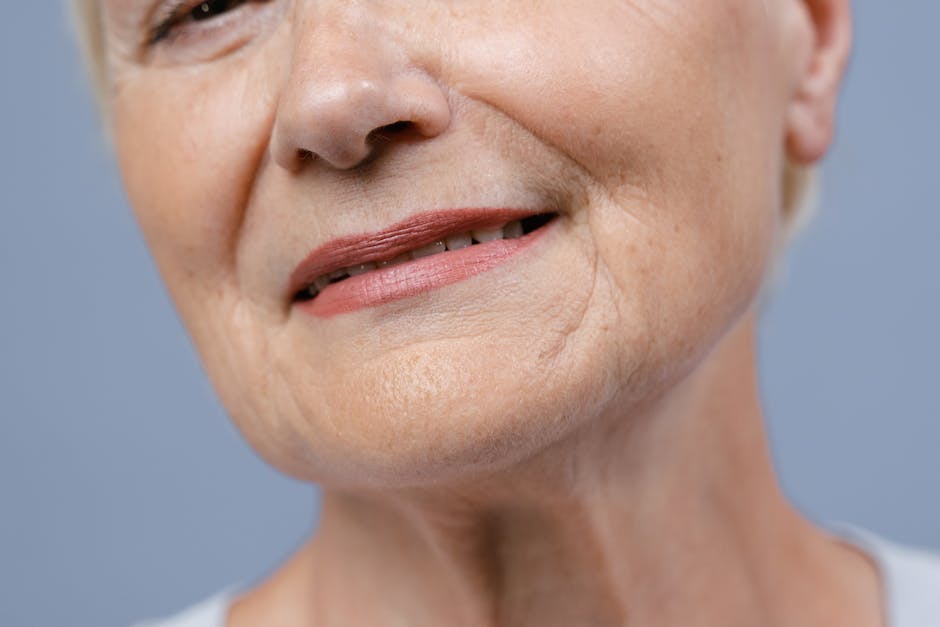
I'll be honest: lower-face Botox requires real anatomical knowledge. The muscles are smaller, closer together, and closer to structures that move during speech, eating, and smiling. A small injection in the wrong spot can affect how you chew, smile, or move your mouth. It's not the place to go to someone learning on the job.
That's why I emphasize experience. After 15+ years, I know exactly where to place each unit, how much to use, and how different muscles interact. I can give you lift without affecting your smile. I can slim your jawline without making you look gaunt. I can smooth your neck without creating an unnatural appearance.
Many lower-face and neck applications are off-label uses of Botox, meaning they're not FDA-labeled indications but are well-established in cosmetic practice. That's why it matters who's doing the injections. You need someone who understands facial anatomy and has extensive hands-on experience.
Preventative Lower-Face Botox
One thing I see often is people who start Botox in their 30s or early 40s in the forehead and crow's feet but don't think about their lower face until they're already seeing significant sagging. Here's the thing: if you're already doing preventative Botox work in your upper face, extending that to your lower face early can keep you ahead of the curve.
Consistent treatment prevents those downward-pulling muscles from creating deep lines and sagging in the first place. You're not chasing damage; you're preventing it. And when you start preventatively, you usually need less Botox over time, not more.
Combining Lower-Face Botox With Other Treatments
Botox is powerful, but it's most powerful as part of a complete approach. If you're doing lower-face Botox, you're also investing in good skincare. Sunscreen, moisturizer, and a solid retinol routine are non-negotiable. That's your foundation.
Related: Botox for Beginners: Your Complete First-Timer's Guide
Related: Holistic Skincare: The Complete Guide to Skin Health
Some people benefit from adding PDO threads to lift and tighten the lower face and jawline in ways that complement Botox beautifully. Others love AquaGold microneedling with serums to improve skin texture and tone. For people who want little or no Botox, we have a complete natural pathway using threads, AquaGold, chemical peels, and Oliveda skincare.
The point is: everyone's face is different, and the best results come from a plan tailored to your specific anatomy, goals, and preferences. If you're curious about what lower-face Botox could do for you, Beauty Spot Med Spa offers consultations where we can assess your lower face, talk through your goals, and show you exactly what's possible.
Realistic Expectations and Timeline

Botox starts working within a few days, but full results typically appear around two weeks. For lower-face work, this timing matters because some effects build over time as muscles gradually relax and lift occurs. You might notice your jawline definition improving progressively over the first month.
Results typically last three to four months, though individual response varies. Some people metabolize Botox faster. Others see longer-lasting results. The more consistently you treat, the longer results often last because your muscles adapt to the relaxed state.
You also don't see results all at once everywhere. Your upper face might show changes earlier than your neck, or vice versa. That's normal and part of how the body responds to treatment.
Why You Want an Experienced Injector
I can't stress this enough: lower-face Botox is not the place to cut corners on expertise. Your jaw, chin, mouth, and neck are all involved in speaking, eating, swallowing, and expressing emotion. Get it wrong, and you've created a problem that lasts weeks.
An experienced injector—someone with deep anatomical knowledge and thousands of lower-face treatments under their belt—will give you results that look natural and feel good. They know how to create lift without restricting movement. They know how much Botox to use and where exactly to place it. They understand that everyone's face is different and that cookie-cutter approaches don't work.
Related: Natural Wrinkle Treatment: Expert Guide to Results
That level of expertise is rare, which is why it matters where you go. If you're ready to explore what lower-face Botox can do, finding someone who specializes in this work and has proven results is everything.
What's the difference between lower-face Botox and filler?
Botox relaxes muscles to create lift and definition by releasing downward pull. Filler adds volume. For most lower-face concerns—sagging jawline, marionette lines, neck bands—Botox is more effective because it addresses the root cause, which is usually muscle activity and gravity, not volume loss. That said, some people benefit from a combination of both, but I always start with Botox to see what lift we can create without adding anything.
Does lower-face Botox affect how I talk or eat?
When injected precisely, no. But it's critical to get it right. Your jaw, lips, and chin are involved in speech and eating, so an injector who understands anatomy and has extensive experience is non-negotiable. That's why precision and experience matter so much in this area.
How long does lower-face Botox take to show results?
You'll start seeing subtle changes within a few days, but full results typically appear around two weeks. Lower-face effects sometimes build progressively—your jawline definition might improve more noticeably after a week or two as muscles continue to relax and lift occurs.
Can I prevent lower-face sagging with Botox if I start early?
Absolutely. Consistent preventative Botox starting in your 30s or early 40s can keep those downward-pulling muscles from creating deep lines and sagging in the first place. You're getting ahead of the curve, and you usually need less Botox over time when you start preventatively rather than reactively.
Common questions
What's the difference between lower-face Botox and filler?
Botox relaxes muscles to create lift and definition by releasing downward pull. Filler adds volume. For most lower-face concerns—sagging jawline, marionette lines, neck bands—Botox is more effective because it addresses the root cause, which is usually muscle activity and gravity, not volume loss. That said, some people benefit from a combination of both, but I always start with Botox to see what lift we can create without adding anything.
Does lower-face Botox affect how I talk or eat?
When injected precisely, no. But it's critical to get it right. Your jaw, lips, and chin are involved in speech and eating, so an injector who understands anatomy and has extensive experience is non-negotiable. That's why precision and experience matter so much in this area.
How long does lower-face Botox take to show results?
You'll start seeing subtle changes within a few days, but full results typically appear around two weeks. Lower-face effects sometimes build progressively—your jawline definition might improve more noticeably after a week or two as muscles continue to relax and lift occurs.
Can I prevent lower-face sagging with Botox if I start early?
Absolutely. Consistent preventative Botox starting in your 30s or early 40s can keep those downward-pulling muscles from creating deep lines and sagging in the first place. You're getting ahead of the curve, and you usually need less Botox over time when you start preventatively rather than reactively.