
Holistic Skincare: The Complete Guide to Skin Health
Holistic skincare isn't about finding one magic product or chasing the latest trend. It's about understanding that your skin reflects what's happening inside your body and how you treat it every single day.
Think of it this way: your skin is connected to your stress levels, your sleep, what you eat, how much water you drink, and yes, the products you use. A truly holistic approach means addressing all of those things, not just slapping on an expensive cream and hoping for the best.
Related: Holistic Anti-Aging Skincare: Beyond Surface-Level Solutions
What Holistic Skincare Actually Means
Holistic skincare is a philosophy that sees your skin as part of your whole person, not a problem to fix in isolation.
It starts with this idea: the best skincare is muscle care. That's what I focus on at Beauty Spot Med Spa. Your face is a system of muscles, fat pads, and skin all working together. When your facial muscles pull downward over time (from gravity, repetitive expressions, stress tension), your whole face starts to sag and lose that lift. No amount of moisturizer fixes that.
So holistic skincare means you're looking at the whole picture: what your skin needs topically, what your muscles need to stay balanced and lifted, what your body needs to support skin health from the inside, and how your habits (sleep, stress, hydration) feed into how your skin looks and feels.
It's the opposite of the quick-fix mentality. It's least intervention, greatest impact.
The Four Pillars of Holistic Skincare
If you're building a real holistic skincare routine, focus on these four things.
1. Nourish From the Inside
Your skin is the last place your body sends nutrients when resources are tight. So start with the basics: drink enough water, eat foods rich in antioxidants and healthy fats, and get enough sleep.
Sleep is huge. When you sleep, your body repairs itself. Skin cells turn over, inflammation goes down, and collagen rebuilds. If you're not sleeping well, your skin will look tired no matter what products you use. Aim for 7-9 hours.
Foods matter too. Omega-3 fatty acids (from fish, flax, walnuts), vitamin C (citrus, berries, leafy greens), and antioxidants (dark chocolate, green tea, colorful vegetables) all support skin health from the inside.
2. Use Smart Topical Products
Not all skincare is created equal. Holistic skincare means choosing products made with real, plant-based ingredients that actually do something for your skin, not just sound good in marketing copy.
Look for products with adaptogenic plant extracts and minimal synthetic chemicals. Waterless formulations are especially smart because they're more concentrated and stable without water and preservatives doing most of the work.
Think of your skincare routine as layered support. You need a gentle cleanser, a hydrating toner or essence, a targeted serum or treatment, a moisturizer that fits your skin type, and sunscreen every single day. Nothing fancy. Just consistent, quality basics.
3. Manage Stress and Movement
Chronic stress literally shows up on your face. Cortisol (your stress hormone) breaks down collagen, triggers inflammation, and can make acne and rosacea worse. Your facial muscles also tense up when you're stressed, which over time contributes to lines and a tight, drawn expression.
Movement helps. Regular exercise improves circulation, flushes toxins through sweat, improves sleep, and reduces stress. Even 20-30 minutes of walking or stretching makes a difference.
Stress-management practices like meditation, journaling, or therapy aren't skincare fluff, they're part of the system.
4. Professional Support When You Need It
Topical products and healthy habits get you 70% of the way there. But if you want to address deeper concerns like loss of lift, volume loss, or muscle tension, you need targeted professional treatments.
Related: Aesthetic Treatments in Bel Air, MD: A Complete Guide
Related: Botox for Beginners: Your Complete First-Timer's Guide
Related: Botox Lower Face: A Complete Guide to Results
This is where muscle care comes in. Strategic treatments that release downward muscular pull and restore balance to your face actually reset how your skin and face age going forward.
Not everyone wants injectables, and that's completely valid. There's a full natural pathway using PDO threads for lift, chemical peels to resurface and brighten, AquaGold microneedling for texture and glow, and high-quality skincare that works. But if you're open to a strategic approach, professional support can be transformative.
Building a Holistic Skincare Routine From Home
Start simple. You don't need 10 products. A clean, targeted routine does more than a medicine cabinet full of stuff.
Morning: Gentle cleanser, hydrating toner or essence, lightweight serum or treatment (vitamin C or antioxidant-rich), moisturizer for your skin type, broad-spectrum sunscreen SPF 30+.
Evening: Gentle cleanser, hydrating toner, targeted serum (retinol, peptides, or adaptogens), richer moisturizer or facial oil.
Every 1-2 weeks, add a gentle chemical peel or exfoliating treatment if your skin tolerates it. This keeps skin cell turnover healthy and helps other products absorb better.
The key is consistency over perfection. Doing the same good routine every day beats jumping between trendy products every month.
If you're looking for products specifically designed around a holistic philosophy, Oliveda is built on waterless, olive-based formulations developed with herbalists and skincare scientists. Many people find that adding thoughtful skincare like this lets them space out or even reduce professional treatments, because the skin is actually getting supported at the cellular level.
When to Add Professional Treatments
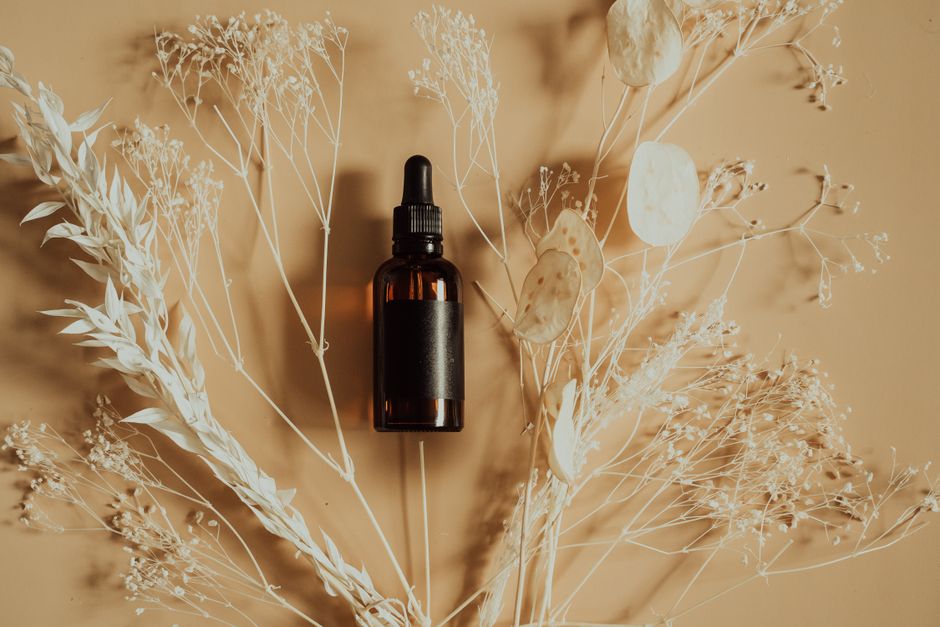
Holistic skincare isn't anti-professional. It's just intentional about what professional support you actually need.
If you're seeing sagging, loss of definition in your jawline or cheekbones, persistent lines that show at rest, or loss of lift in your lower face and neck, that's muscle and volume change. Skincare alone won't fix that because the structural issue isn't a skincare issue anymore.
That's when professional treatments make sense. Work with someone who reads your whole face as one system and releases downward pull before automatically adding volume. Results should look like you, just refreshed. Natural. Balanced.
Learn more about how a thoughtful, strategic approach to facial rejuvenation works at Beauty Spot Med Spa.
Holistic Skincare and Your Lifestyle
Here's what actually moves the needle on your skin over time: showing up consistently. Not one expensive treatment. Not one perfect product. Consistency.
Take a step back and assess your whole life. Are you sleeping enough? Drinking water? Managing stress? Moving your body? Using products with ingredients you can understand? If you're weak in any of those areas, that's where to start.
Holistic skincare means you're not trying to out-product a bad lifestyle. You're building a lifestyle that supports healthy skin, then adding products and professional support that enhance what you're already doing right.
That's what actually lasts. That's what makes you look like yourself, just refreshed.
Frequently Asked Questions
Is holistic skincare the same as natural skincare?
Not exactly. Natural skincare means the ingredients come from plants or minerals. Holistic skincare is a broader philosophy that looks at your whole life, habits, and health. You can have natural skincare that isn't holistic (a fancy natural cream that ignores sleep and stress), or holistic skincare that includes some lab-created ingredients if they're proven to work. The philosophy is what matters most.
Can holistic skincare replace professional treatments?
Skincare and professional treatments work differently. Topical products improve texture, hydration, and cell turnover. Professional treatments address structural changes like muscle tension and volume loss. For most people, both together create the best results. But if you prefer to avoid professional treatments, a really solid holistic routine can maintain and improve your skin significantly.
How long does it take to see results?
Skin cell turnover takes about 28 days, so give any routine at least 4-6 weeks before deciding if it's working. Deeper changes like improved texture and firmness usually show over 2-3 months. Structural changes (sagging, loss of lift) take professional support and happen over weeks to months depending on the treatment.
What's the most important part of a holistic skincare routine?
Honestly? Sunscreen and sleep. Sunscreen stops damage from happening in the first place. Sleep is when your body repairs itself. Everything else builds on those two foundations. If you're only going to be perfect about two things, make it those.
Common questions
Is holistic skincare the same as natural skincare?
Not exactly. Natural skincare means the ingredients come from plants or minerals. Holistic skincare is a broader philosophy that looks at your whole life, habits, and health. You can have natural skincare that isn't holistic (a fancy natural cream that ignores sleep and stress), or holistic skincare that includes some lab-created ingredients if they're proven to work. The philosophy is what matters most.
Can holistic skincare replace professional treatments?
Skincare and professional treatments work differently. Topical products improve texture, hydration, and cell turnover. Professional treatments address structural changes like muscle tension and volume loss. For most people, both together create the best results. But if you prefer to avoid professional treatments, a really solid holistic routine can maintain and improve your skin significantly.
How long does it take to see results?
Skin cell turnover takes about 28 days, so give any routine at least 4-6 weeks before deciding if it's working. Deeper changes like improved texture and firmness usually show over 2-3 months. Structural changes (sagging, loss of lift) take professional support and happen over weeks to months depending on the treatment.
What's the most important part of a holistic skincare routine?
Honestly? Sunscreen and sleep. Sunscreen stops damage from happening in the first place. Sleep is when your body repairs itself. Everything else builds on those two foundations. If you're only going to be perfect about two things, make it those.