
Botox for 11 Lines: How It Works & What to Expect
Those vertical lines between your eyebrows—the ones that show up when you furrow your brow or sometimes just sit there staring back at you—have a name: 11 lines. And yes, Botox is exceptionally good at smoothing them out.
Here's the short answer: Botox relaxes the muscles that create those frown lines, which softens their appearance over time. Most people see noticeable results within a week or two, and the effect keeps improving for up to two weeks after treatment. The best part? You don't have to wait until the lines are deep to treat them. In fact, catching them early makes a real difference in both how they look now and how they develop later.
Why Do 11 Lines Form in the First Place?
Those two vertical lines between your eyebrows exist because of muscle movement. When you frown, concentrate, or express frustration, two muscles (the corrugator supercilii muscles, if you want to get technical) contract and pull downward. Over time, repeated muscle contractions create creases in the skin above them.
The more you make that expression, the deeper the lines get. Some people naturally have more expressive eyebrows and frown lines than others, and that's totally normal. Sun damage, genetics, and how much you move your face all play a role too.
Here's what matters: those lines aren't just static wrinkles sitting on the surface of your skin. They're the result of active muscle movement. That's why skincare alone—even really good skincare—can't actually stop them. A serum or retinol can help skin look smoother and more hydrated, but it can't relax a muscle the way Botox does.
How Botox Works on 11 Lines
Botox works by gently relaxing the corrugator muscles that pull your eyebrows down and together. When those muscles relax, they stop deepening the lines, and the existing lines gradually soften as your skin sits in a more relaxed position.
Related: Botox for Frown Lines: How It Works & What to Expect
Related: Botox for Forehead Lines: How It Works & What to Expect
Related: Botox Treatment: How It Works & What to Expect
Related: Botox for Forehead: How It Works & What to Expect
It's not about freezing your face or erasing your ability to express emotion. When it's done right—strategically and with restraint—Botox keeps you looking like you, just refreshed. You can still frown if you need to. You can still look concerned or concentrated. The expression is just softer and smoother.
The treatment itself is quick. A few small injections between the eyebrows, and you're done. No downtime, no anesthesia needed. Most people feel just a tiny pinch, and that's it.
When Will You See Results?
Botox isn't instant, but it's close. Most people start noticing softening in the lines within three to five days. Over the next two weeks, the muscle relaxation deepens, and you'll see the full effect.
The timeline matters because if you're treating 11 lines for the first time, patience is your friend. Give it the full two weeks before deciding whether you're happy with the results. Most people are pleasantly surprised at how naturally the lines fade.
How Long Does It Last?

Botox results for 11 lines typically last several months. Your body gradually metabolizes the Botox, and muscle movement slowly returns. Some people find they get longer-lasting results over time, especially if they've had consistent treatments.
The longevity depends on your metabolism, how much you move that area of your face, and your individual response to the treatment. There's no way to predict exactly how long yours will last, but your injector will help you find a schedule that keeps you looking the way you want.
Prevention vs. Treatment: When Should You Start?
Here's something worth thinking about: starting Botox earlier, when the lines are just beginning to show, means you're preventing them from getting deeper rather than trying to erase deeply etched lines.
If you're in your twenties or thirties and notice your 11 lines are starting to become visible, especially when you move your face, that's a good time to consider treatment. It's not about looking older or preventing aging—it's about interrupting the cycle of muscle contraction that creates deeper and deeper lines over time.
That said, there's no wrong time to start. Whether your 11 lines are brand new or they've been there for years, Botox smooths them effectively. It just might take slightly longer to see a dramatic difference if the lines are very deep, since the skin itself needs time to soften as the underlying muscle relaxes.
What About Combining Botox With Other Treatments?
Botox for 11 lines is often part of a bigger picture. Many people benefit from a whole-face approach that releases downward muscular pull across the forehead, around the eyes, and even the lower face. When you treat the whole system as one interconnected set of muscles, the lift and balance you get is much more natural and harmonious than treating one area in isolation.
That said, every face is different. Some people only need work on the 11 lines. Others benefit from softening the entire forehead. Your injector should assess your whole face and recommend what actually makes sense for you—not just automatically treat every area.
If you want to explore what a comprehensive, personalized approach looks like, Beauty Spot Med Spa specializes in reading the face and neck as one interconnected system and treating strategically based on what you actually need.
Do You Need to Do Anything Special Before or After?
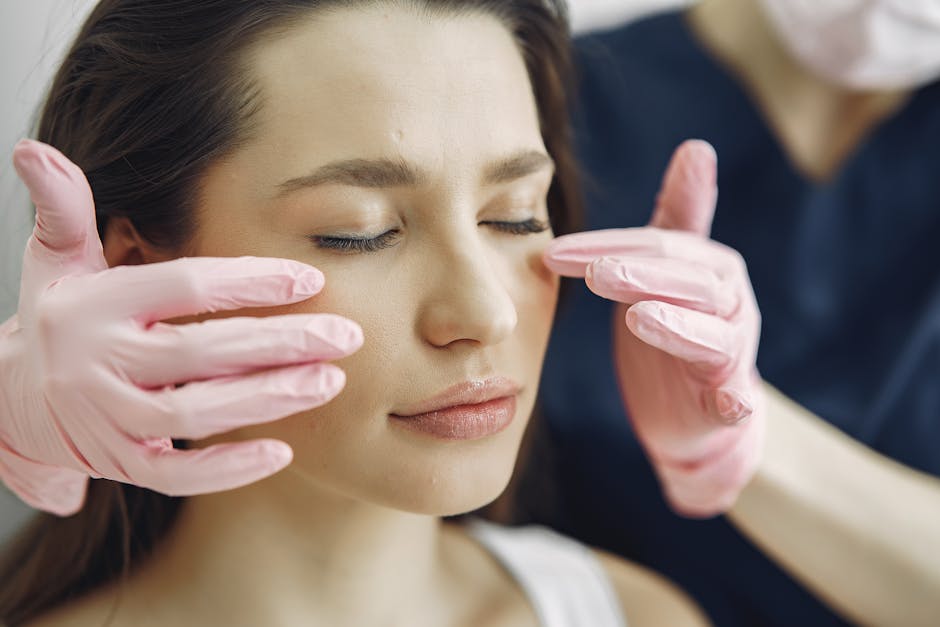
Before your appointment, avoid blood thinners like aspirin if you can (though talk to your doctor first if you take them regularly). Don't schedule treatment if you're feeling sick or have active skin infections.
After treatment, keep it simple. Avoid rubbing or massaging the area for a few hours. Skip intense exercise and saunas for the rest of the day. Some people see a tiny bit of mild redness or swelling right after injections, but it usually fades quickly.
Most people go right back to their normal routine. No one has to know you had anything done.
Is Botox Right for Your 11 Lines?
Botox is incredibly effective for 11 lines, but it's not the only option. If you prefer not to use Botox, there are other approaches like PDO threads, chemical peels, and advanced skincare that can help smooth your forehead and improve skin quality over time.
The key is finding an approach that matches what you actually want. Some people want maximum smoothing and are totally comfortable with Botox. Others want to take a slower, more conservative route. Both are valid.
If you're curious about your options—whether Botox is the right fit, how it would work with the rest of your face, or whether you might prefer a different path—a consultation is the best place to start. Beauty Spot Med Spa offers personalized guidance based on your goals and your face, not a one-size-fits-all treatment menu.
Common Questions About Botox for 11 Lines
Will Botox make me look frozen?
Not if it's done right. The goal is to relax the muscles enough to smooth the lines while keeping your face mobile and expressive. You should still be able to frown, raise your eyebrows, and make normal facial expressions—they'll just be smoother. A skilled injector knows exactly how much Botox creates natural-looking results rather than an overdone appearance.
Can I use skincare instead of Botox for 11 lines?
Skincare can improve skin texture and hydration, which makes fine lines look less noticeable. But skincare can't relax the muscles underneath, so it won't actually stop the muscle contractions that create and deepen 11 lines. If your lines are caused by active muscle movement, Botox or another muscle-relaxing treatment addresses the root cause. Skincare is a great support, but it works differently than Botox does.
How often do I need to repeat treatment?
Most people return for treatment every few months once they see results they like. Your injector will help you figure out the right schedule for your metabolism and goals. Some people go longer between treatments over time, and others prefer more frequent maintenance to keep results consistent.
Will my 11 lines come back worse if I stop getting Botox?
No. When you stop getting Botox, the muscles gradually regain function and movement returns to normal. Your face will look the way it would have looked if you hadn't had the treatment, but not worse. If anything, some people find that years of Botox actually softened their natural expression lines a bit because the muscles weren't contracting as intensely during that time.
Common questions
Will Botox make me look frozen?
Not if it's done right. The goal is to relax the muscles enough to smooth the lines while keeping your face mobile and expressive. You should still be able to frown, raise your eyebrows, and make normal facial expressions—they'll just be smoother. A skilled injector knows exactly how much Botox creates natural-looking results rather than an overdone appearance.
Can I use skincare instead of Botox for 11 lines?
Skincare can improve skin texture and hydration, which makes fine lines look less noticeable. But skincare can't relax the muscles underneath, so it won't actually stop the muscle contractions that create and deepen 11 lines. If your lines are caused by active muscle movement, Botox or another muscle-relaxing treatment addresses the root cause. Skincare is a great support, but it works differently than Botox does.
How often do I need to repeat treatment?
Most people return for treatment every few months once they see results they like. Your injector will help you figure out the right schedule for your metabolism and goals. Some people go longer between treatments over time, and others prefer more frequent maintenance to keep results consistent.
Will my 11 lines come back worse if I stop getting Botox?
No. When you stop getting Botox, the muscles gradually regain function and movement returns to normal. Your face will look the way it would have looked if you hadn't had the treatment, but not worse. If anything, some people find that years of Botox actually softened their natural expression lines a bit because the muscles weren't contracting as intensely during that time.