
Botox for Forehead: How It Works & What to Expect
Botox for the forehead is one of the most popular and effective ways to smooth out lines and wrinkles and restore a more youthful, refreshed appearance. If you're considering it, you probably have questions: How does it actually work? Will I look frozen? How long do results last? Let's walk through what you need to know.
What Botox Does to Your Forehead
Your forehead moves constantly. Every time you raise your eyebrows, squint, or furrow your brow, the muscles underneath contract. Over time, these repeated contractions create lines that eventually stay put, even when your face is at rest. Those are the forehead lines you see in the mirror.
Botox works by relaxing the muscles that cause those lines. It doesn't erase existing deep wrinkles overnight, but it does smooth them out significantly and prevents new ones from forming. Think of it as gently releasing the tension that's been etched into your skin.
The science is straightforward: Botox contains a protein that temporarily blocks the signal between nerves and muscles. Your forehead muscles can't contract as forcefully, so they relax. The lines soften. Your skin looks smoother without looking frozen if it's done well.
Natural Results Come Down to Technique
Here's what matters: not all Botox treatments are the same. The difference between looking refreshed and looking over-done comes down to the provider's understanding of facial anatomy and their philosophy about balance.
When Dr. T approaches the forehead, she's not thinking about the forehead in isolation. She reads your entire face and neck as one interconnected muscular system. She asks: What's pulling down? Where do we need to release tension to create lift and balance?
A lot of providers default to heavy dosing across the entire forehead. Dr. T takes a different approach. She strategically places Botox where it matters most for your face, preserving natural movement and expression. The goal is for you to look like yourself, just refreshed. Not frozen. Not surprised. Just better.
Botox Forehead and Prevention
One of the smartest uses of Botox is preventative. If you're in your late 20s or early 30s and notice your forehead lines are just starting to show, starting Botox now can stop them from getting deeper and more permanent.
The logic is simple: if you prevent the muscle from contracting so forcefully now, you prevent the wrinkle from deepening over the next 10, 20, or 30 years. It's much easier to prevent a line than to erase one that's been there for decades.
That said, it's never too late. Whether you're 35 or 55, Botox can soften existing forehead lines and stop them from getting worse. The results just depend on how deep the lines already are and how much movement you want to preserve.
Timeline: When You'll See Results
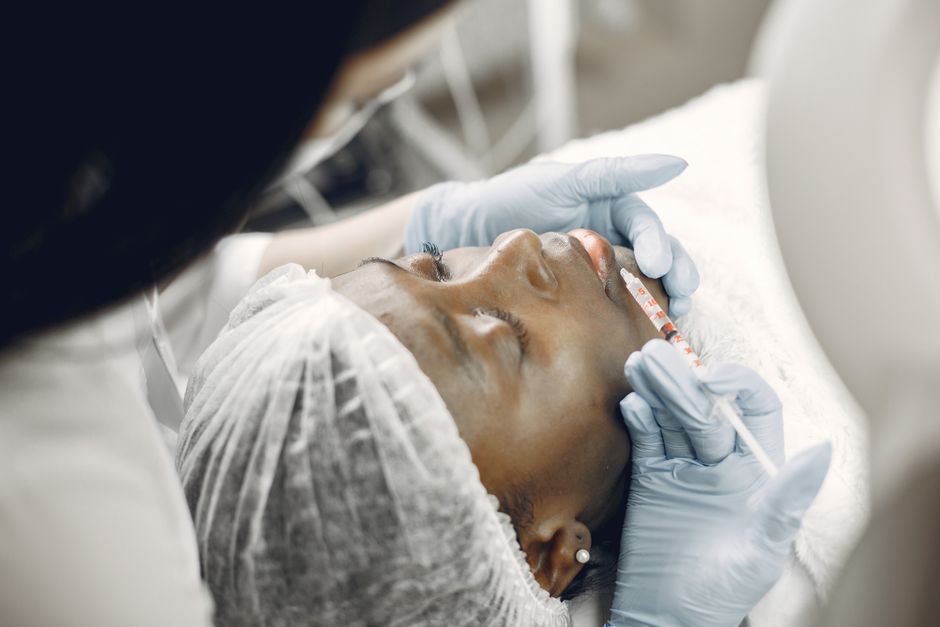
Botox isn't instant. Most people start to see softening in their forehead lines within 3-5 days. Full results typically show up around 10-14 days, sometimes up to two weeks.
Why the wait? Botox needs time to integrate into the nerve-muscle junction and do its job. You're not going to wake up the next morning with a perfectly smooth forehead. But you will notice steady improvement over the first two weeks.
Results peak around three weeks and stay that way for several months. Most people get re-treatment every three to four months to maintain their results, though timing varies person to person.
How Much Botox? The Dose Question
You might hear people talk about "units" of Botox. What matters is not the number itself, but whether the dose is right for your face and your goals.
Some people need very little to achieve natural softening. Others, depending on muscle strength and how much movement they want to keep, need more. The provider's job is to find the sweet spot where you look refreshed without sacrificing expression.
That's why a consultation with someone who understands facial anatomy is so important. A quick "20 units across the forehead" approach might work for some people, but it misses the whole-face strategy that creates the best, most natural results.
Beyond the Forehead: The Whole Picture
Here's something a lot of people don't realize: your forehead doesn't work in a vacuum. The muscles around your eyes (crow's feet), between your brows (the 11s), and even in your neck all affect how your forehead looks and how it ages.
Dr. T's approach to Botox is comprehensive. She considers how releasing the muscles between your brows affects your forehead. She looks at your eye area. She assesses your jaw, your neck, your entire face as one system. That's how you get results that look balanced and natural instead of overdone in one spot.
Is Forehead Botox Right for You?

Botox for the forehead is safe and FDA-approved. But it's not a requirement for everyone. Some people prefer to explore other options first.
If you want to improve lines without Botox, there are pathways. Beauty Spot Med Spa works with patients who want a completely natural approach using PDO threads, specialized needling, chemical peels, and targeted skincare. The best skincare is muscle care, but if you're not ready for injectables, other tools can help.
That said, if you've noticed forehead lines creeping in and you want the most effective, fastest way to address them, Botox is hard to beat. It's been around for over 20 years, it's well-studied, and results are predictable when it's done right.
Realistic Expectations
Botox smooths lines. It doesn't erase them completely if they're very deep, and it doesn't change the shape of your face. It doesn't lift sagging skin. What it does is relax the muscles creating the movement that deepens those lines.
Related: Botox Injections in Bel Air, MD: What to Expect
If you have very deep forehead wrinkles from decades of sun exposure and muscle movement, Botox alone might soften them but not eliminate them entirely. In those cases, combining approaches (like addressing other areas of the face to create balance and lift) sometimes delivers better overall results than Botox alone.
That's where the whole-face thinking matters. Instead of trying to fix one problem with more and more product, a comprehensive approach asks: What's the root cause? How do we create balance? What's the minimum intervention for maximum impact?
Safety and What You Should Know
Botox is FDA-approved and generally very safe when administered by a qualified provider who understands facial anatomy. Like any injectable, there are potential side effects, though serious ones are rare. The most common minor side effects are temporary redness, bruising, or a slight headache.
The biggest risk isn't Botox itself, it's improper dosing or placement. Over-injection or placement in the wrong spots can lead to a frozen look, droopy eyebrows, or asymmetry. That's why provider expertise matters so much.
Before you book, verify that your provider is licensed and experienced in facial injectables. Ask to see before-and-after photos. If results look overdone, that's a red flag. If they look natural and refreshed, you're looking at someone who knows what they're doing.
Next Steps: Should You Book a Consultation?
The best way to know if Botox is right for your forehead is to talk to someone who specializes in it. A good consultation isn't a sales pitch. It's an assessment.
A skilled provider will look at your forehead, ask about your concerns and goals, explain what's realistic for your face, and give you honest feedback. They'll talk about whether Botox alone makes sense or whether a broader approach might serve you better.
If you're in the Bel Air area, Beauty Spot Med Spa offers consultations where Dr. T reviews your face, explains her approach, and works with you to set realistic expectations. She specializes in Botox and has 15+ years of experience. Her philosophy is simple: least intervention, greatest impact, natural results.
Related: Botox for Neck Bands: How It Works & What to Expect
Related: Botox for Crow's Feet: How It Works & What to Expect
Related: Botox for Forehead Wrinkles: How It Works & What to Expect
Related: Botox for Forehead Lines: How It Works & What to Expect
Related: Botox Between Eyebrows: How It Works & What to Expect
Related: Botox for Frown Lines: How It Works & What to Expect
Related: Botox for 11 Lines: How It Works & What to Expect
Related: Facial Botox: What It Is, How It Works & What to Expect
Related: Botox Treatment: How It Works & What to Expect
People Also Ask
Does Botox on the forehead look natural?
Yes, when it's done well. The key is proper dosing and placement by a provider who understands facial anatomy and preserves natural expression. Bad Botox looks frozen and overdone. Good Botox just looks like a fresher version of you. That's the difference between a provider who uses one-size-fits-all dosing and one who customizes based on your face.
How long does Botox last on the forehead?
Results typically last three to four months. After that, your body naturally breaks down the Botox and muscle function returns. Most people get re-treated every three months or so to maintain results, though timing varies. Some people go longer between treatments as they adjust their routine.
Can I get Botox if I have very deep forehead wrinkles?
Yes, but manage your expectations. Botox works best at preventing lines or softening newer lines. Very deep wrinkles that have been etched in for years may soften significantly with Botox, but they might not disappear completely. In those cases, a comprehensive approach that addresses multiple areas of the face to create balance and lift often delivers better overall results.
Is Botox preventative, or does it only treat existing lines?
Both. If you start Botox before deep lines form (usually in your late 20s or early 30s), it can prevent lines from ever getting established. If you already have lines, Botox softens them and stops them from getting worse. Either way, you're preventing future damage by relaxing the muscles that create the lines in the first place.
Common questions
Does Botox on the forehead look natural?
Yes, when it's done well. The key is proper dosing and placement by a provider who understands facial anatomy and preserves natural expression. Bad Botox looks frozen and overdone. Good Botox just looks like a fresher version of you. That's the difference between a provider who uses one-size-fits-all dosing and one who customizes based on your face.
How long does Botox last on the forehead?
Results typically last three to four months. After that, your body naturally breaks down the Botox and muscle function returns. Most people get re-treated every three months or so to maintain results, though timing varies. Some people go longer between treatments as they adjust their routine.
Can I get Botox if I have very deep forehead wrinkles?
Yes, but manage your expectations. Botox works best at preventing lines or softening newer lines. Very deep wrinkles that have been etched in for years may soften significantly with Botox, but they might not disappear completely. In those cases, a comprehensive approach that addresses multiple areas of the face to create balance and lift often delivers better overall results.
Is Botox preventative, or does it only treat existing lines?
Both. If you start Botox before deep lines form (usually in your late 20s or early 30s), it can prevent lines from ever getting established. If you already have lines, Botox softens them and stops them from getting worse. Either way, you're preventing future damage by relaxing the muscles that create the lines in the first place.