
Facial Botox: What It Is, How It Works & What to Expect
Facial Botox smooths dynamic wrinkles by relaxing the muscles underneath your skin that create them when you move. If you've been told it's only for your forehead or crow's feet, or that you need filler for every line you see, you're getting incomplete information. The truth is that Botox is one of the most versatile tools in facial aesthetics when you understand how facial muscles actually work together as a system.
Let me walk you through what facial Botox actually does, how it's applied across your whole face and neck, and why the approach matters way more than the injection itself.
What Facial Botox Actually Does
Botox (botulinum toxin) works by temporarily relaxing the muscles that cause wrinkles. When you frown, squint, or raise your eyebrows, those muscles contract and create lines on your skin. Over time, those lines become permanent creases.
Related: Natural Alternatives to Botox: What Actually Works
Related: Cosmetic Botox: What It Is, How It Works & What to Expect
Related: Platysmal Band Botox: How It Works & What to Expect
Related: Botox for 11 Lines: How It Works & What to Expect
Related: Eye Wrinkle Botox: How It Works & What to Expect
Related: Botox for Forehead: How It Works & What to Expect
Related: Botox Treatment: How It Works & What to Expect
Botox blocks the signal between your nerve and that muscle, so the muscle relaxes and can't contract as forcefully. The result: fewer wrinkles, a smoother appearance, and (here's the underrated part) you stop deepening those lines every single day.
The key word is "relax," not "freeze." When Botox is done well, you still look like you. Your expressions stay natural. You can still move your face. You just look more rested and refreshed, like you got eight hours of sleep and a vacation.
The Comprehensive Face & Neck Approach
Most people think of Botox as a forehead treatment. That's because a lot of providers default to the "standard three areas": forehead, between the brows (the 11s), and crow's feet. Those areas absolutely can benefit from Botox, and they're a good starting point for many people.
But your face doesn't work in three isolated zones. Your muscles are all connected. When you have tension in your masseter (jaw muscle), it can pull your jawline down and make your whole lower face feel heavy. When the platysma muscle in your neck loosens with age, it changes your entire neck and jawline definition. When you have a gummy smile, it's not a filler problem, it's a muscle problem.
A comprehensive facial Botox plan reads your whole face and neck as one interconnected system. That means strategically releasing downward muscular pull to rebalance and lift, not just filling in every visible line.
For example: you might have marionette lines (those lines from your mouth down to your chin), but before reaching for filler to plump them up, a skilled injector will look at whether your jaw muscles and neck muscles are pulling everything downward. Release that downward pull first with Botox in the right places, create natural balance and lift, then reassess. Often, you don't need the filler at all.
Areas where facial Botox is commonly used include:
- Forehead (horizontal lines)
- Between the brows (the 11s, or glabellar lines)
- Crow's feet (outer corners of the eyes)
- Lip flip (upper lip)
- Gummy smile (muscles that pull the upper lip up)
- Chin (dimpling and texture)
- Mouth and marionette area (around the corners of the mouth)
- Jawline and masseters (jaw muscle)
- Platysma (neck muscle)
- Neck bands and cords
- Therapeutic areas like jaw clenching and tension in the head, neck, and shoulders
Some of these applications, especially in the lower face and neck, are considered off-label uses (meaning the FDA hasn't specifically approved Botox for those exact areas, but they're widely practiced and supported by clinical experience). When you're considering facial Botox, it's worth asking your provider which areas they're experienced with and which ones they use regularly.
How the Philosophy of "Release and Rebalance" Works
This is where the approach Beauty Spot Med Spa uses really matters. The philosophy is simple: the best skincare is muscle care.
Instead of automatically adding volume (filler) to every concern, the sequence is to release the downward pull first, create balance and lift with Botox, then reassess before adding anything else. It's the opposite of the "more is more" approach you might see elsewhere.
Why? Because your face ages in layers. The deepest layer is your musculature. When those muscles lose tone or get overactive, they pull everything down. The next layer is your skin and collagen. When you address the muscle layer first, everything else naturally lifts and rebalances. You look refreshed and lifted without looking overfilled or frozen.
This approach is grounded in understanding facial anatomy and seeing each person's face as individual. Your muscle patterns are unique. Your aging pattern is unique. Your goals are unique. So your treatment plan should be too.
What to Expect During and After Facial Botox
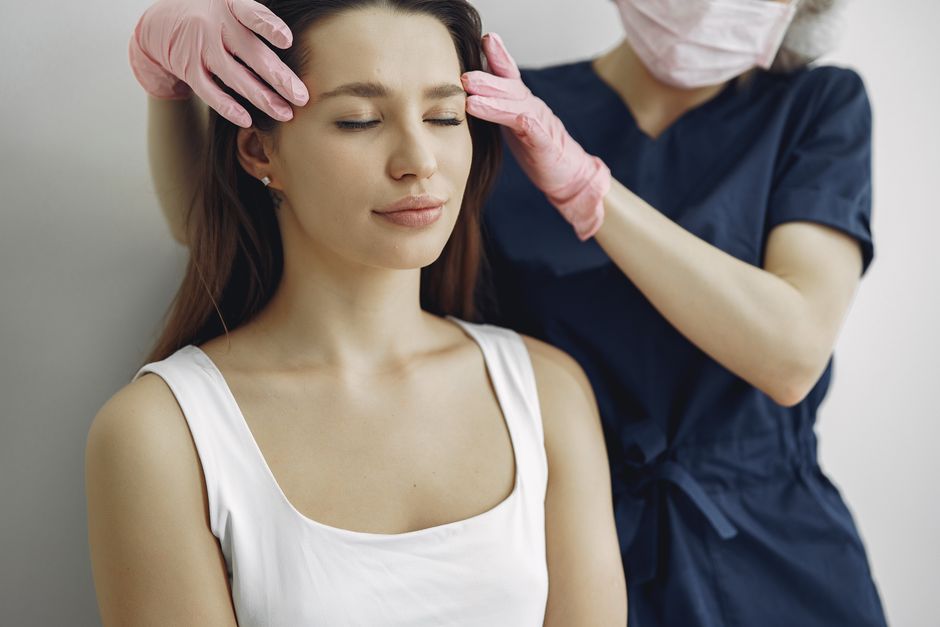
A facial Botox treatment is quick, usually 15 to 30 minutes depending on how many areas are being treated. The injections are very fine needles, and while some people feel a tiny pinch, most describe it as painless or nearly painless.
You'll see some immediate smoothness, but the full effect develops over the next 7 to 14 days as the Botox fully settles into the muscle. Swelling or redness at injection sites is minimal and usually fades within an hour or two.
One thing people don't always know: Botox works best as a preventative and maintenance tool, not just a corrective one. If you're in your 20s or 30s and starting to see early dynamic lines (lines that appear when you move), Botox can stop those lines from becoming permanent. That's huge for long-term skin quality.
If you already have deeper static lines (lines that are there even when your face is at rest), Botox will soften them but might not erase them completely, especially if they've been there for years. In that case, other treatments like PDO threads or chemical peels might be part of a fuller plan. But again, the approach is least intervention, greatest impact.
Botox Isn't Always the Answer (And That's Okay)
Here's something you won't hear from every med spa: Botox isn't the only solution, and it's not right for everyone.
Some people have concerns that are better addressed with other tools. Loose skin, for example, won't respond well to Botox; that might call for threads or other skin tightening approaches. Very deep static wrinkles might need a combination of treatments. Some people prefer to focus on skincare first and see how far that takes them.
If you want to improve your skin quality without injectables, there's a full toolkit: targeted skincare (especially waterless, olive-based formulations designed to support skin barrier health), chemical peels to resurface and brighten, and PDO threads to create subtle lift and collagen remodeling. These work beautifully on their own or alongside Botox.
The point is that the best treatment plan starts with honest assessment of what you actually see and want to change, not with "here's what we inject everyone with."
Finding a Provider Who Gets Facial Anatomy
The difference between Botox that looks natural and Botox that looks overdone or unnatural comes down to one thing: the injector's understanding of facial anatomy and their commitment to subtle, balanced results.
A good provider will ask you what you see when you look in the mirror, what concerns you most, and what your actual goals are. They'll look at your face at rest and in motion. They'll assess your muscle patterns and where you're experiencing downward pull. They'll talk about what they're seeing and why they'd recommend certain areas before others.
They won't push you toward more injections, more filler, or more frequent treatments than you need. They won't use a one-size-fits-all approach. And they'll be honest about what Botox can and can't do for you.
If you're in the Bel Air or Harford County area and want to explore facial Botox with someone who specializes in this comprehensive, muscle-focused approach, schedule a consultation at Beauty Spot Med Spa. Dr. Tessa, DDS (Dr. T) has 15+ years of experience in facial aesthetics and Botox specifically, and her whole philosophy is built around reading your face as one integrated system and delivering natural, refreshed results.
Frequently Asked Questions
How long does facial Botox last?
Botox typically lasts 3 to 4 months. After that time, your body gradually metabolizes the toxin and your muscles regain their normal function. The timeline varies slightly between individuals based on metabolism, muscle mass, and how your body responds. Many people schedule touch-ups every 3 to 4 months to maintain results, though some come in less frequently.
Does facial Botox hurt?
Most people describe facial Botox injections as painless or feeling like a tiny pinch. The needles are very fine, and the process is quick. There's no numbing required for most people, though if you're needle-sensitive, your provider can apply numbing cream beforehand. Any discomfort is brief and minimal.
Can I still make facial expressions after Botox?
Yes. Good Botox lets you move your face and make natural expressions. You just can't create the same wrinkles in those areas. If you look completely frozen or can't move your face at all, that's a sign the Botox was either overdosed or placed incorrectly. When it's done right, people usually can't tell you've had it done, they just think you look great and well-rested.
Is facial Botox preventative, or just corrective?
It's both. If you're just starting to see dynamic wrinkles (lines that appear when you move your face), Botox can prevent those lines from becoming permanent by stopping the repetitive muscle movement that deepens them over time. If you already have established lines, Botox softens them. Either way, you're supporting long-term skin quality by reducing the constant muscle contractions that age your face.
Common questions
How long does facial Botox last?
Botox typically lasts 3 to 4 months. After that time, your body gradually metabolizes the toxin and your muscles regain their normal function. The timeline varies slightly between individuals based on metabolism, muscle mass, and how your body responds. Many people schedule touch-ups every 3 to 4 months to maintain results, though some come in less frequently.
Does facial Botox hurt?
Most people describe facial Botox injections as painless or feeling like a tiny pinch. The needles are very fine, and the process is quick. There's no numbing required for most people, though if you're needle-sensitive, your provider can apply numbing cream beforehand. Any discomfort is brief and minimal.
Can I still make facial expressions after Botox?
Yes. Good Botox lets you move your face and make natural expressions. You just can't create the same wrinkles in those areas. If you look completely frozen or can't move your face at all, that's a sign the Botox was either overdosed or placed incorrectly. When it's done right, people usually can't tell you've had it done, they just think you look great and well-rested.
Is facial Botox preventative, or just corrective?
It's both. If you're just starting to see dynamic wrinkles (lines that appear when you move your face), Botox can prevent those lines from becoming permanent by stopping the repetitive muscle movement that deepens them over time. If you already have established lines, Botox softens them. Either way, you're supporting long-term skin quality by reducing the constant muscle contractions that age your face.