
Botox in Bel Air: What to Expect from Dr. T's Approach
If you're searching for Botox in Bel Air, you've probably seen ads promising everything from forehead smoothing to full facial rejuvenation. The reality is more nuanced—and way more interesting.
Botox in Bel Air is widely available, but how it's used makes all the difference between looking refreshed and looking done. This guide walks you through what Botox actually does, how a strategic approach changes the whole outcome, and what to expect when you're thinking about getting it.
Related: Botox Specialist in Bel Air MD: What to Expect
Related: Botox Between Eyebrows: How It Works & What to Expect
Related: Botox for Neck Bands: How It Works & What to Expect
Related: Botox for Crow's Feet: How It Works & What to Expect
Related: Doctor-Led Botox Injections Maryland: What to Expect
Related: Botox Injections in Bel Air, MD: What to Expect
Related: Botox for Forehead: How It Works & What to Expect
Related: Botox for Forehead Lines: How It Works & What to Expect
Related: Forehead Botox Near Me: What to Expect from Dr. T
Related: Botox for Forehead Wrinkles: How It Works & What to Expect
Related: Botox for Frown Lines: How It Works & What to Expect
Related: Botox for 11 Lines: How It Works & What to Expect
What Botox Actually Does (and What It Doesn't)
Botox relaxes muscle. That's it. It doesn't add volume, smooth texture, or erase deep wrinkles that exist at rest. It stops repetitive muscle contractions that create and deepen expression lines over time.
The forehead, 11s between your eyebrows, and crow's feet are the most obvious places. But your whole face is a muscular system. Muscles pull downward—in your jawline, your neck, around your mouth, even in your chin. Most people don't know you can use Botox to gently release that downward pull and let your face rebalance itself naturally.
That's the philosophy that drives Beauty Spot Med Spa: least intervention, greatest impact. The best skincare is muscle care.
The Whole-Face, Whole-Neck Approach
Here's where most Botox conversations get stuck: forehead, 11s, crow's feet. Done.
But if you're serious about looking refreshed and lifted, you need someone who reads your entire face and neck as one interconnected muscular system. That means looking at how your muscles are pulling and where strategic relaxation can create actual lift and balance.
Think about the lower face: tightness in your jaw muscles (masseters) can make your jaw look square and heavy. Tension in your neck (platysma muscle) shows age. A gummy smile—where too much gum shows when you smile—isn't a filler problem; it's a muscle problem that Botox handles beautifully. Marionette lines and the downward pull around your mouth? Same story.
This is why Dr. T works across your entire face and neck, not just the obvious spots. She looks at your whole system, identifies where downward muscular pull is aging you, strategically releases that tension, and then reassesses. Sometimes that creates enough lift and balance that you don't need filler at all. Other times it clarifies exactly where a little volume makes sense.
That's the sequence: release the downward pull, create balance and lift, then reassess.
Upper Face: More Than Forehead and 11s
Your forehead and the space between your eyebrows (the 11s) are where most people start. Fair. These are visible and Botox works beautifully here when done with restraint.
Crow's feet at the corners of your eyes are the other classic area. But here's the thing: relaxing crow's feet muscles is also lifting muscles that pull the outer part of your eyebrow down. So when done right, Botox at the crow's feet can actually create a subtle brow lift—you just look fresher and more awake, not injected.
The key is balance. If you relax too much across the forehead, your brows can look heavy. If you overdo the 11s, your forehead can look flat. This is why experience matters. Someone who understands facial anatomy and how all these muscles work together will preserve your natural expression while smoothing lines.
Lower Face and Neck: The Game-Changer Most People Skip
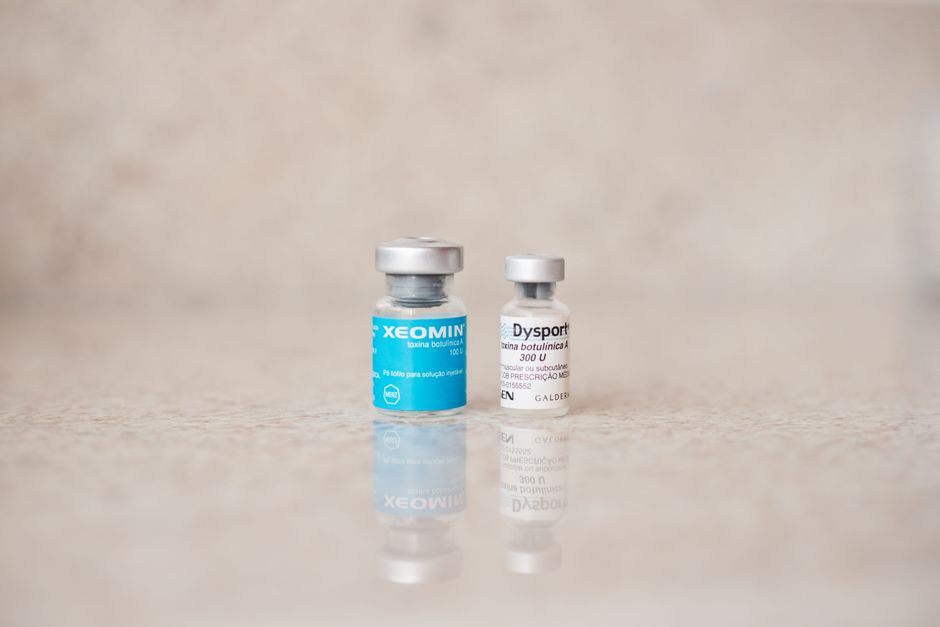
This is where Botox gets really interesting—and where most med spas immediately pivot to filler instead.
Your masseter muscles (jaw muscles) can get tight from stress, clenching, and chewing. When they're tight, they make your face look heavier and more squared-off. A little Botox here softens the jawline and creates definition without surgery or filler. It's subtle. You just look like you.
The platysma is the muscle that runs down your neck and into your chest. Over time, it thickens and creates visible bands or a creepy appearance. Botox releases that tension and smooths the neck without any volume added.
Your mouth area has several muscles at work. A gummy smile (showing too much gum when you smile) is a muscle problem that Botox fixes. Marionette lines—those downward lines from the corners of your mouth—happen when muscles are pulling down. A lip flip, where strategic Botox relaxes the muscle pulling your upper lip under, can make your lips look fuller and more defined without filler.
These are advanced applications, and many are off-label uses. That means they're not the FDA-approved use listed on the Botox package, but they're evidence-backed and widely used in advanced aesthetic medicine. It's important to work with someone who knows the anatomy and has real experience—not just someone who followed a training course once.
Therapeutic Botox: It's Not Just Cosmetic
Some people use Botox purely for cosmetic reasons. Others use it therapeutically. If you clench or grind your teeth, you probably have tight jaw muscles and tension headaches. Botox in the masseter and temporalis (temple) muscles can break that cycle and reduce clenching—and the headaches that come with it.
Tension in your neck, shoulders, and the back of your head? Same thing. Botox can release that muscular tension and help you actually relax. People are often surprised at how much better they feel after targeted Botox in these areas.
It's one reason someone might use Botox even if they don't care about wrinkles. The muscle care aspect is real.
What Natural Results Actually Look Like
Natural results mean you still look like you. Your expression is intact. People notice you look rested, not that you've had something done. You can still move your forehead—it's just smoother. Your eyebrows have subtle lift. Your face has more balance and definition.
The opposite of natural results: a frozen forehead, a perpetually surprised expression, a heavy brow that sits too low, or a face that doesn't move at all. That's usually the result of too much Botox in one area, or Botox placed without understanding how the whole face works together.
This is why working with an experienced provider who thinks about balance and anatomy matters so much. Dr. T has 15+ years of experience in facial aesthetics and Botox. She reads your whole face, finds the real issues, and corrects them without overdoing it.
Related: Med Spa in Bel Air, MD: What to Expect from Facial Aesthetics
The Timeline and What to Expect
Botox isn't instant. The muscle relaxation starts within a few days and continues to improve over two weeks. Full results show up around day 14. If something doesn't look right, there's a window to adjust it early. After that, the results are what they are until the Botox metabolizes (usually 3-4 months, but it varies).
You can get Botox and go back to your day. There's no downtime. You might have a tiny red mark where the needle went in, but it fades in minutes. Some people are slightly more sensitive to bruising, but it's rare and fades quickly.
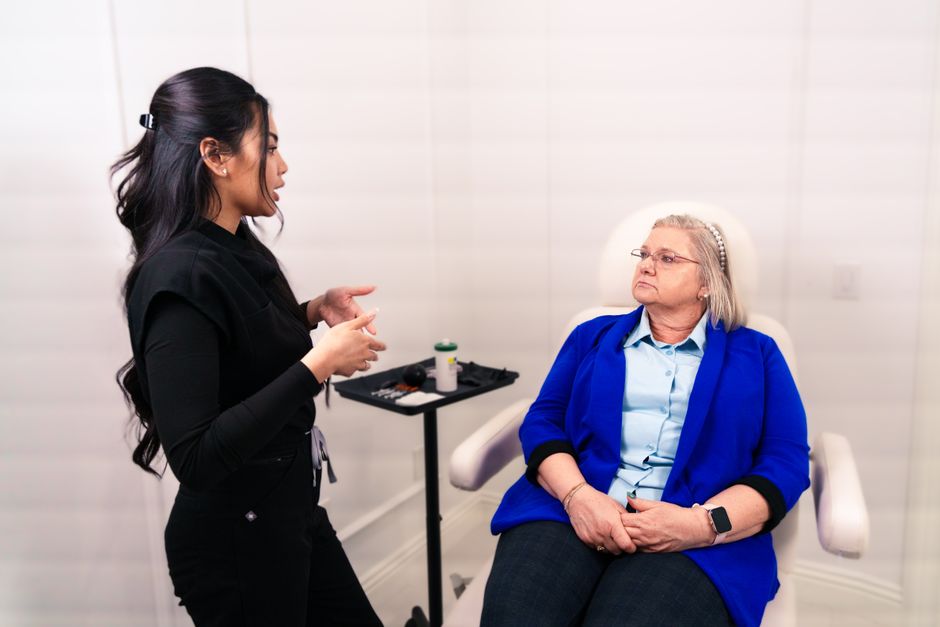
One honest thing: the results are individualized. Your face is different from someone else's. The way your muscles move, the thickness of your skin, your metabolism, and how often you use the muscles all affect how long Botox lasts and how much you need. A good consultation involves looking at your face, talking about your goals, and explaining what's actually possible for you.
Do You Even Need Botox?
Here's a refreshing take: Botox is Dr. T's specialty, but it's not a requirement. Some people genuinely don't want it, and that's completely valid.
If you want a natural pathway to rejuvenation without Botox, there are solid options. PDO threads provide subtle lift by stimulating collagen. AquaGold microneedling with serums can improve skin quality and texture. Chemical peels address discoloration and sun damage. And good skincare—specifically, skincare that actually nourishes your skin rather than stripping it—makes a real difference over time.
Oliveda is waterless, olive-based skincare designed to feed your skin at a cellular level. Some people use it alongside Botox and actually space out or reduce their Botox because their skin looks and feels so much better. Others use it as their primary rejuvenation approach. The point is: you have options, and they should be tailored to what you actually want, not what someone is trying to sell you.
The real strategy is least intervention, greatest impact. If a good skincare routine and healthy habits solve the problem, why overcomplicate it? And if Botox is the right move, it should be done strategically and thoughtfully, not reflexively.
Choosing Someone Who Gets It
When you're looking for Botox in Bel Air, you have options. The key differentiator is philosophy and experience.
Ask: Does this provider think about my whole face, or just the areas I point to? Have they done this for years, or months? Do they listen to what I actually want, or do they push a standard treatment? When they look at me, are they seeing individual facial anatomy, or following a template?
If you feel like you're being upsold filler for every concern, or if the consultation feels rushed, that's a sign. If someone explains their reasoning, shows you before-and-afters of natural results, and talks about balance and proportion, you're on the right track.
That's what sets apart Beauty Spot Med Spa in Bel Air. Dr. T has spent 15+ years studying facial anatomy and building a philosophy around strategic, whole-face rejuvenation. She reads your face, not a checklist. She releases downward muscular pull to create lift and balance naturally. And she never automatically reaches for filler when Botox or skincare might solve it better.
The Bottom Line on Botox in Bel Air
Botox is a powerful tool when used right. It relaxes muscles, smooths expression lines, and creates subtle lift across your entire face and neck when someone understands how to do it strategically. Natural results mean you still look like yourself—just refreshed, balanced, and lifted.
The best Botox is so subtle that people notice you look rested before they notice you've had something done. That takes skill, experience, and a philosophy that prioritizes your face as a whole system, not a collection of individual problem areas.
If you're in Bel Air or Harford County and curious about what Botox could do for you, a consultation is the place to start. No pressure, no sales pitch—just an honest conversation about what's possible for your face.
FAQs About Botox in Bel Air
How long does Botox last?
Results typically show up over 7-14 days and last 3-4 months on average. But it varies person to person based on your metabolism, how much you use the muscles, and the dose used. Some people metabolize it faster; others enjoy results closer to four months. A good provider will track this over time and adjust accordingly.
Is Botox painful?
Most people describe it as a quick pinch, not painful. The needle is very thin. Some areas (like around the eyes) are more sensitive than others, but overall it's quick and well-tolerated. No numbing is needed, and it's over in minutes.
Can I still move my face after Botox?
Yes, if it's done right. Natural Botox relaxes muscles enough to smooth wrinkles while preserving your ability to express yourself. You can still frown, raise your eyebrows, and smile—they're just softer and more refined. If you can't move your face at all, too much was used or it was placed incorrectly.
What's the difference between Botox and filler?
Botox relaxes muscle; filler adds volume. They're two different tools for two different problems. Botox smooths expression lines and prevents new ones. Filler restores volume in hollowed areas. The best approach often uses Botox first to release downward pull, then reassesses whether filler is actually needed. Many people find they don't need as much filler—or any at all—once the muscular tension is released.
Common questions
How long does Botox last?
Results typically show up over 7-14 days and last 3-4 months on average. But it varies person to person based on your metabolism, how much you use the muscles, and the dose used. Some people metabolize it faster; others enjoy results closer to four months. A good provider will track this over time and adjust accordingly.
Is Botox painful?
Most people describe it as a quick pinch, not painful. The needle is very thin. Some areas (like around the eyes) are more sensitive than others, but overall it's quick and well-tolerated. No numbing is needed, and it's over in minutes.
Can I still move my face after Botox?
Yes, if it's done right. Natural Botox relaxes muscles enough to smooth wrinkles while preserving your ability to express yourself. You can still frown, raise your eyebrows, and smile—they're just softer and more refined. If you can't move your face at all, too much was used or it was placed incorrectly.
What's the difference between Botox and filler?
Botox relaxes muscle; filler adds volume. They're two different tools for two different problems. Botox smooths expression lines and prevents new ones. Filler restores volume in hollowed areas. The best approach often uses Botox first to release downward pull, then reassesses whether filler is actually needed. Many people find they don't need as much filler—or any at all—once the muscular tension is released.